
Riot Mobile
Riot Games, IncStrategy
4.43.80K Reviews
- Version
- 5.9.2
- Installs
- 10.00M
- Age Rating
- Everyone
Screenshots
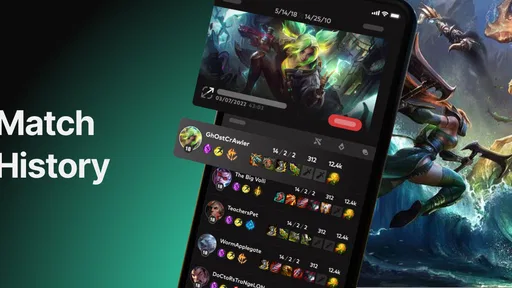
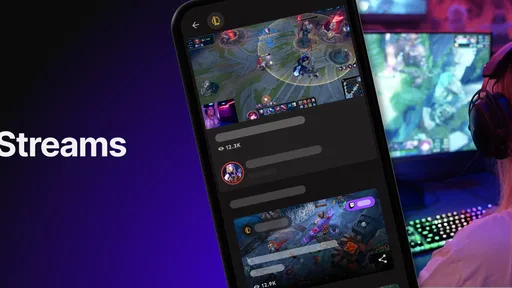
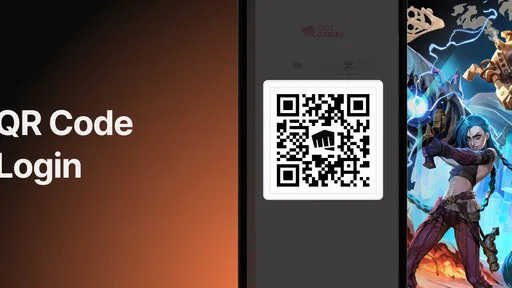
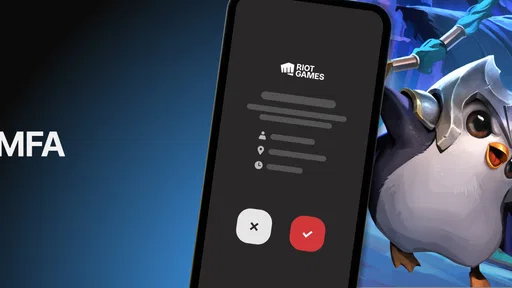
Our Review of Riot Mobile
 Analysis by Appyee
Riot Mobile is easy to underestimate because it is not a game you sit down to play. It is a companion app for keeping up with Riot Games, Inc, its games, esports, media and community conversations. I found its strongest appeal during the first week, when having news, match-related content and chat-oriented updates in one place made the wider Riot ecosystem feel easier to follow. The more important question, though, is whether that convenience survives after the initial curiosity fades.
My answer is qualified but positive: Riot Mobile earns lasting space mainly for people who already care about Riot’s games or competitive scene. It is free, rated for Everyone, and available on Android with a minimum operating system requirement of 10. That makes trying it uncomplicated for many users. However, it is not a universal entertainment app, and it does not replace a full game client, a dedicated streaming service or a general-purpose messaging platform.
From the first week to a lasting habit
I judge a companion app by whether it earns a place in my routine after the initial curiosity wears off. Here, the useful test is not how often I open it in the first few days, but whether it gives me a convenient reason to check in around the Riot games, events, or conversations I already follow. That longer view brings the trade-offs into focus.
The first-week appeal is immediate if you follow Riot closely
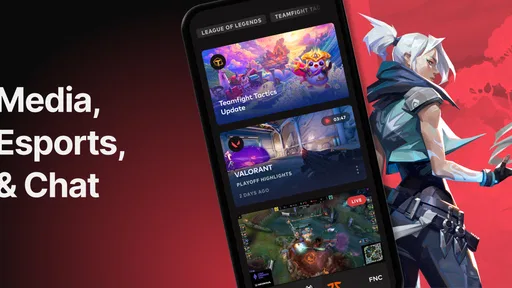
During my first days with Riot Mobile, the benefit was less about one spectacular feature and more about reducing the number of places I had to check. Instead of opening separate destinations whenever I wanted to see what was happening around Riot, I could use the app as a central doorway into its media, esports and chat-focused world. That arrangement is especially useful when my interest is casual but recurring: I may not have time to play, yet I still want to know what is happening.
The app’s store short description is simply “Riot Mobile,” while its broader summary points toward media, esports and chat. That combination gives a clearer idea of its role than calling it a normal mobile game. Although it belongs to the strategy category in app stores, I would not install it expecting a strategy experience. It is better understood as a companion for Riot followers, with value coming from access and awareness rather than from a standalone match or campaign.
The first week also reveals an important distinction between a useful companion and a novelty download. If I already recognize Riot’s games, teams, personalities or competitive events, the app has an obvious reason to remain on my phone. If I do not have an existing connection to that ecosystem, the opening impression is much thinner. The content may be interesting, but the app does not create a complete reason to return by itself.
One practical way I used it was as a short check-in before deciding how to spend my free time. On a lunch break, I could look for current media or esports information, catch up with conversations and then close the app without committing to a long session. That is a realistic strength: Riot Mobile can turn scattered interest into a quick routine. It is less convincing when I expect it to provide a deep activity every time I open it.
What makes the second month different
After the novelty fades, the app’s value depends on whether Riot-related information is part of my normal week. For an active follower, the habit can be simple: check in around relevant matches, browse updates when there is spare time and use the social side when conversation matters. The app then functions as a lightweight dashboard rather than something that demands a dedicated session.
That recurring value is narrower than what I get from a general social network. A broad platform offers a larger variety of subjects and people, while Riot Mobile is intentionally tied to one entertainment ecosystem. I see that focus as both its advantage and its limitation. It keeps the experience more relevant for a committed fan, but it also means there is little reason to open it on a quiet day when nothing connected to my interests is happening.
Compared with using a browser, the app feels more deliberate. A browser is flexible and better when I want to search widely, compare sources or move between unrelated sites. Riot Mobile is more convenient when I already know that I want Riot-centered material. The trade-off is control: the app’s focused environment can save time, but it may feel restrictive to someone who prefers choosing every source independently.
Compared with game-specific clients, Riot Mobile has a different job. A game client is where I expect direct access to play, account functions or game-centered tools. Riot Mobile is more useful before or after that activity, when I want to follow the surrounding culture and competitive conversation. Installing both can make sense for a dedicated player, but one should not be mistaken for the other.
Small workflows that make it more useful
I found three habits more valuable than simply opening the app whenever I remembered it. First, I used it as a short morning or evening scan instead of leaving notifications or feeds running constantly. That kept the app from becoming another source of background distraction. Second, I checked it around esports activity rather than expecting equal value every day. The focused timing made its updates feel more relevant.
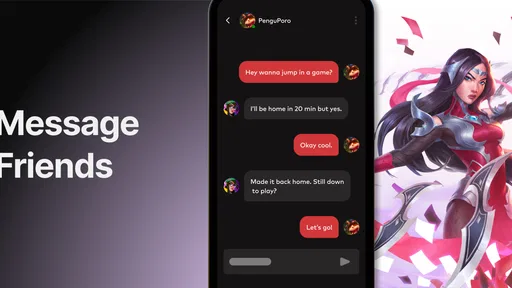
Third, I treated chat as a place for participation, not just reading. A community companion becomes more worthwhile when I use it to follow a conversation I genuinely care about, then leave when the discussion stops being useful. This is a small but important distinction: the app works better as an intentional social stop than as an endless scrolling replacement.
Another useful approach is separating information gathering from play. When I used Riot Mobile before opening a game, I could decide whether I wanted news, esports content or conversation first, rather than launching a game automatically. That creates a little more control over my time. It also exposes the app’s limitation: it supports the surrounding experience, but it cannot substitute for the deeper interaction found inside Riot’s actual games.
Where the maintenance burden appears
The maintenance burden is not complicated setup; it is attention. Any companion app built around media, esports and chat can become noisy if I allow it to compete for my focus all day. I recommend deciding in advance whether Riot Mobile is a scheduled check-in, a match-day tool or an active social space. Without that choice, its usefulness can blur into habitual checking.
I also had to be realistic about the need for a connected interest. The app makes the most sense when I already follow Riot’s world. That means its long-term maintenance is partly personal: I need to keep caring about the games, events or conversations it gathers. No interface can manufacture lasting value for someone whose interest is only temporary.
Storage and compatibility are straightforward considerations. The game is free, and the current version is 5.6.0, with Android 10 as the minimum operating system. I would still check compatibility before installing on an older phone, especially if the device is rarely updated. The age rating of Everyone also makes the app broadly approachable, but that should not be confused with a guarantee that every conversation will suit every family’s preferences; social spaces still deserve normal user judgment.
Because the app connects several kinds of content, I would not judge it after one short visit. A quiet day can make it seem empty, while a period of active interest can make it feel indispensable. My recommendation is to test it across a normal week rather than during a single burst of curiosity. If I keep finding a reason to open it without forcing myself, it has passed the more meaningful test.
The fatigue that can build over time
The first source of fatigue is repetition. Following one company’s ecosystem can feel coherent at first, but eventually the same themes may lose their freshness for someone whose interest is casual. A broader platform offers more variety, while Riot Mobile asks me to accept a narrower editorial and community world. That is not a flaw in its purpose, but it is a real limit on daily use.
The second is context switching. Moving between media, esports and chat can be convenient, yet those activities do not always serve the same mood. I may want a quick update, not a conversation; or I may want to watch competitive content without being pulled toward social activity. The app’s combined approach saves space, but it can also make the experience feel less focused than a purpose-built alternative.
The third is the risk of turning fandom into obligation. If I feel that I must check every update to stay current, the companion stops being helpful. I found that the healthiest long-term pattern was selective use: open it when I have a question, an event to follow or a conversation worth joining. I would skip it entirely if my goal is to reduce screen time and I already struggle with checking feeds too often.
There is also a clear audience trade-off. A dedicated Riot follower may appreciate having a single mobile destination, while someone who only plays occasionally could get more value from opening the relevant game directly. A person who mainly wants esports coverage might prefer a specialist source with broader competition coverage. Someone who wants general chat will probably find a larger social network more active. Riot Mobile is strongest when these interests overlap.
Who should install it, and who should pass
I would recommend Riot Mobile to a Riot fan who wants a convenient mobile companion, follows esports or enjoys staying close to the surrounding community. It is also a sensible choice for players who spend time away from their main gaming setup and want a lighter way to remain connected. The free price removes the financial risk of testing it, and the large Android audience—more than ten million installs—suggests that the companion format has broad appeal among existing followers.
I would be more cautious if I were recommending it to someone who does not play or follow Riot-related content. The app’s focus is its identity, and that focus becomes a weakness when the subject matter is not already meaningful. I would also skip it if I wanted a complete mobile game, a neutral esports hub or a replacement for a general messaging app. Those needs call for different tools.
The rating gives it a solid public reception, with an average of 4.4 from roughly 313 thousand ratings and about 3.8 thousand written reviews. I treat that as useful context rather than a final verdict. A companion app can be highly rated by committed fans and still feel unnecessary to casual users. My own experience matches that split: the more connected I felt to Riot’s ecosystem, the more naturally the app fit into my routine.
My long-term verdict
Riot Mobile does not win me over by pretending to be more than it is. Its lasting value comes from being a focused companion for Riot’s media, esports and chat experience. After the first-week curiosity, it remains worthwhile when I use it with a purpose: a quick update, a competitive event, a community discussion or a way to stay connected between gaming sessions.
Its maintenance cost is mostly attention rather than money. I need to manage how often I check it, accept that some days will be more rewarding than others and remember that it complements Riot’s games instead of replacing them. Those are manageable compromises for a committed follower, but they are poor trade-offs for someone searching for a broad entertainment app.
Riot Games, Inc has made a companion that can settle into a regular routine, provided the user already has a reason to care. I would keep it installed if Riot’s games and esports are part of my ongoing interests, using it selectively rather than continuously. If that interest fades, the app’s purpose fades with it. My final judgment is therefore straightforward: Riot Mobile is worth keeping when it supports an existing habit, not when I expect it to create one from nothing.
For the right user, Riot Mobile is a convenient bridge between playing, watching and talking. For everyone else, it is better viewed as optional rather than essential. That honest distinction is what gives the app its strongest recommendation: install it for a specific Riot-related routine, keep it only if that routine continues to pay off.
Privacy and Permissions
See what permissions an app requests and how it handles your data.
- Location
- approximate location (network-based), precise location (GPS and network-based)
- Phone
- read phone status and identity
- Photos/Media/Files
- read the contents of your USB storage, modify or delete the contents of your USB storage
- Storage
- read the contents of your USB storage, modify or delete the contents of your USB storage
- Camera
- take pictures and videos
- Wi-Fi connection information
- view Wi-Fi connections
- Device ID & call information
- read phone status and identity
- Other
- view network connections, full network access, control vibration, prevent device from sleeping, toggle sync on and off, Google Play license check
Verdict
Strengths of Riot Mobile
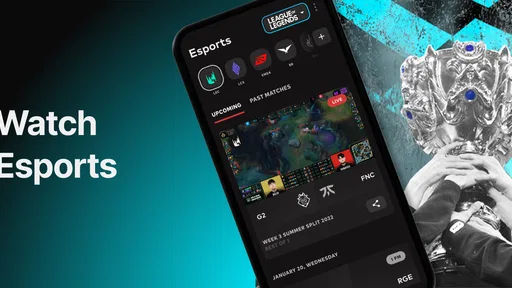
- Quickly check League of Legends esports news, schedules, and results.
- Personalized team and league updates help you follow favorite competitions.
- Match alerts make it easier to avoid missing important games.
- Includes official video content, interviews, and tournament coverage.
- Clean mobile interface makes browsing esports information convenient.
Limitations of Riot Mobile
- Content is focused mainly on League of Legends esports fans.
- Some features depend on an active internet connection.
- Notifications may become excessive if many teams are followed.
- Limited usefulness outside major tournaments and competitive events.
- App content and features can vary by region or tournament availability.
Other Releases by Riot Games, Inc
View All
League of Legends: Wild Rift
Strategy3.2

Legends of Runeterra
Card4.4
Similar Picks in This Category
View All
Clash of Clans
Supercell4.5

Plants vs. Zombies™
ELECTRONIC ARTS3.7

Lords Mobile: Kingdom Wars
IGG.COM4.5

Clash Royale
Supercell4.4

State.io — Conquer the World
CASUAL AZUR GAMES4.1

Car Driving School : Car Games
Spark Game Studios3.9
Frequently Asked Questions
What is Riot Mobile, and what can I use it for?
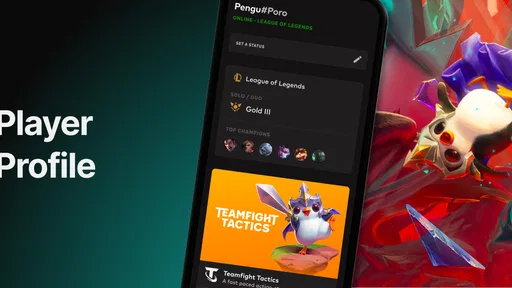
Riot Mobile is Riot Games’ companion app for players who enjoy games such as League of Legends, VALORANT, Teamfight Tactics, and Legends of Runeterra. After signing in with a Riot account, you can follow esports news, check selected game information, view friends and social activity, receive notifications, and access personalized content. The exact features may vary depending on your region, account, and the Riot games connected to your profile.
Do I need a Riot Games account to use Riot Mobile?
Yes, most of Riot Mobile’s useful features require you to sign in with a Riot Games account. Your account allows the app to personalize news, connect with your friends, and display information related to the games you play. If you do not already have an account, you can generally create one through Riot’s official services. Make sure you download the legitimate app and never enter your login details into unofficial copies or suspicious links.
Is Riot Mobile free to download and use?
Riot Mobile is generally free to download and does not normally require a subscription to access its main companion features. However, the app is connected to Riot’s games, which may include optional purchases such as cosmetic items, battle passes, or other digital content. Riot Mobile itself should not be treated as a way to obtain free in-game currency or rewards. Be cautious of third-party websites promising discounts, codes, or account benefits.
Can I play League of Legends or VALORANT directly through Riot Mobile?
No, Riot Mobile is designed as a companion and information app rather than a replacement for Riot’s full games. You cannot use it to play standard League of Legends matches or VALORANT games on a phone. Instead, it may help you follow news, esports, social updates, and account-related information while away from your computer. Game availability and supported features can change, so check the current app description and official Riot announcements.
Is Riot Mobile safe, and what permissions does it require?
Riot Mobile is safest when installed through the official Google Play Store or Apple App Store and published by Riot Games. Depending on the features enabled, it may request permissions related to notifications, internet access, and device functions needed for account or social features. Review the permission prompts before accepting them, and keep both the app and your phone’s operating system updated. Avoid modified APK files, unofficial downloads, and messages requesting your Riot password or verification code.
Play our best games!


